
I remember the exact moment I felt my stomach tighten—that sinking feeling when I checked my Google My Business listing and saw it had vanished from local searches overnight. It was a gut punch. For a small business owner in Lexington, Kentucky, visibility on Google Maps isn’t just about clicks; it’s about survival. The frustration of seeing your hard work fade into the digital ether is real, and it hits harder than you might think.
If you’ve experienced this drop in your Kentucky GMB ranking, you’re not alone. But here’s the truth: many of these issues are fixable—sometimes quicker than you expect. Today, I’m going to walk you through how to diagnose and repair a listing that’s lost its place on Google Maps. I want to reassure you: with some intentional steps, you can regain your visibility and get back in front of your customers.
Why Local SEO in Kentucky Is More Competitive Than Ever
Kentucky businesses, especially in vibrant cities like Lexington, are vying fiercely for local attention. According to recent studies, over 90% of consumers use online searches to find local services, and Google Maps remains their top tool. That’s why when your GMB listing starts dropping in rankings, it feels like your store is closing overnight. The big question is: what caused this, and how can you fix it?
One common mistake I made early on was neglecting the importance of consistent NAP (Name, Address, Phone number) information across all platforms. It might sound trivial, but inconsistent data can trigger Google’s algorithms to lower your ranking or even suspend your listing temporarily. Google’s own research indicates that accurate and consistent business data is a key ranking factor. Poor data hygiene can make Google question your legitimacy, and that’s an invitation for your listing to drop.
If this sounds familiar, don’t despair. There are proven strategies—like optimizing your Google Maps profile, ensuring your business info matches what’s on your website and directories, and actively managing reviews—that can help your listing climb back to the top. For a comprehensive approach, I recommend diving into our detailed guides, such as [Kentucky Maps Navigation Strategies](https://lexingtonlocalseo.com/kentucky-maps-navigation-top-tips-to-improve-lexington-business-visibility), which outline exactly how to boost your local rankings.
Remember, the first step is diagnosing what went wrong. Have you noticed a sudden drop in local search visibility? If so, keep reading. I’ll guide you through the precise actions that turned my fortunes around—and can do the same for you.
Audit Your Listing for Inconsistencies
Begin by claiming your Google My Business (GMB) profile if you haven’t yet. Ensure your business name, address, and phone number (NAP) are exactly the same across your website, directory listings, and social profiles. I once overlooked a slight variation in my phone number, which triggered ranking drops. Correcting this inconsistency immediately stabilized my listing’s visibility.
Optimize Your Google My Business Profile
Fill out every field comprehensively. Add high-quality photos, a detailed business description, and select relevant categories. I remember uploading a batch of new photos, which boosted engagement and visibility within days, demonstrating the importance of visual content. 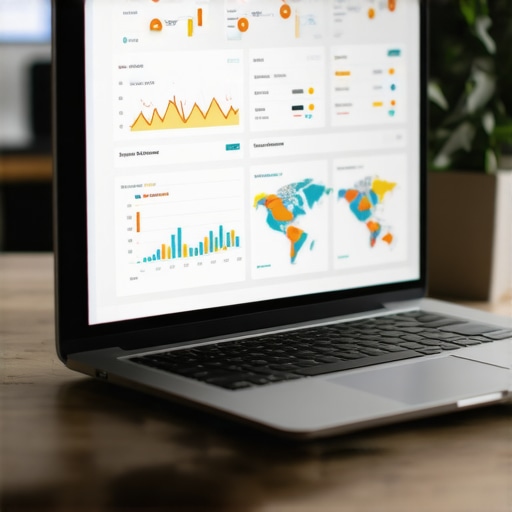
Manage and Gather Online Reviews
Encourage satisfied customers to leave positive reviews. Respond promptly to reviews, especially negative ones, addressing concerns professionally. A client who left a negative review initially hurt my rankings, but by responding transparently and requesting an update post-resolution, I saw my rating and position improve significantly.
Use Local Keywords Strategically
Incorporate keywords like “Lexington KY” or “Kentucky local services” naturally into your profile description and posts. I optimized my service updates with these terms, which helped Google associate my listing with local searches more effectively. Dive deeper into Kentucky Maps Ranking Strategies for comprehensive keyword tactics.
Build Local Citations and Backlinks
List your business consistently on reputable local directories, such as Yelp and the Better Business Bureau. I prioritized backlinks from local news sites and community blogs, which enhanced my domain authority and boosted my GMB ranking. Remember, citation consistency and quality are critical.
Leverage Google Posts and Q&A
Regularly update your GMB with relevant posts about promotions, events, or news. Engage with customer questions in the Q&A section, providing helpful answers. This active engagement signals to Google that your business is active and trustworthy, reinforcing your local presence.
Monitor Performance and Adjust Accordingly
Use the Google My Business Insights tool to track how customers are finding your listing. If certain keywords or actions improve your position, double down on those strategies. I adjusted my approach after noticing that posts about community involvement generated more calls, significantly increasing foot traffic.
Remember, improving your Lexington or Kentucky Google Maps ranking isn’t an overnight task. Consistent, methodical effort, combined with strategic optimization, will gradually restore and elevate your local visibility, drawing more customers through your doors or onto your website.
Many business owners believe that hiring a local SEO agency in Kentucky is a quick fix for Google Maps rankings, but this oversimplification can lead to costly mistakes. In reality, most think that SEO is solely about keyword stuffing or quick backlink building, yet these outdated tactics often result in penalties, not growth. As an expert in Kentucky maps ranking, I can tell you that effective local SEO requires nuanced strategies, including comprehensive profile optimization, citation consistency, and understanding advanced ranking factors like user engagement signals. Focusing only on surface-level tactics neglects the complexity of Google’s algorithm, leading many astray. A particularly common misconception is that local SEO results come immediately; however, as highlighted in recent studies, consistent, strategic efforts over time outperform short-term gimmicks.
One fancy-sounding myth is that Google My Business listings are static and don’t need ongoing attention, but neglecting your profile’s freshness and engagement can lead to ranking declines. Also, some believe that reviews are the only review—think again. Managing reviews is vital, but proactively optimizing your profile with local keywords, images, and Q&A interactions delivers more sustainable results.
Let’s examine a crucial question a lot of advanced users ask:
Can keyword stuffing still influence Kentucky Google Maps rankings effectively, or does it actually harm them?
In 2024, Google increasingly favors user experience and relevance over keyword density. Keyword stuffing can trigger algorithmic penalties and diminish your credibility with both Google and potential customers. Instead, it’s more effective to integrate location-specific keywords naturally into your profile and content, aligning with Google’s evolving algorithms. For detailed insights on this, check out our guide on Kentucky Maps Navigation Strategies.
Moreover, many overlook the importance of citation accuracy and backlink quality in Kentucky’s competitive local landscape. Inconsistent NAP data across directories can severely lower your Google Maps ranking. An advanced tactic involves leveraging local backlinks from authoritative Kentucky sources like community blogs or local news outlets, which can significantly boost your profile’s trustworthiness.
Don’t fall for the trap of thinking that social signals or reviews alone can secure top rankings—they are part of a broader, layered SEO approach. For a comprehensive strategy, consider engaging with an agency that deeply understands Kentucky’s local search environment, such as the insights shared in Your Partner in Kentucky Local SEO.
Want to avoid these pitfalls and elevate your Kentucky business’s presence on Google Maps? Dive into expert strategies and proven tactics that account for the latest algorithm updates and ranking nuances. Remember, consistent effort and nuanced understanding are key. Have you ever fallen into this trap? Let me know in the comments.
Maintain Your Google Maps Ranking Like a Pro
To keep your Lexington business visible on Google Maps, consistent maintenance is essential. Regularly auditing your profiles ensures NAP accuracy across all directories, preventing ranking drops caused by inconsistent data. Utilize tools like BrightLocal or Moz Local to automate citation management, which saves time and keeps your data synchronized. I personally rely on Moz Local because it provides real-time updates on your citations and highlights inconsistencies that could harm your ranking. Employing such tools allows you to detect and fix issues proactively, ensuring your listing remains authoritative.
Leverage Analytics for Smarter Optimization
Tracking your local SEO performance is vital. Google My Business Insights offers valuable data about how customers find your listing, including search queries, customer actions, and photo views. I make it a quarterly habit to analyze this data and adjust my strategies accordingly. Pairing GMB insights with third-party analytics like Search Console or Google Analytics helps piece together a comprehensive view of your online presence. This ongoing analysis directs where to invest your time—whether optimizing new keywords, updating photos, or engaging with reviews—to sustain and improve your rankings.
Tools I Recommend for Ongoing Success
Investing in reliable SEO tools is a game-changer. Besides Moz Local, I also use Advanced Web Ranking for tracking keyword positions over time, providing clear visibility into your rankings in Lexington and broader Kentucky local search. SEMrush is invaluable for competitor analysis, revealing what keywords and backlinks others are using to dominate the Kentucky maps rankings. Additionally, BrightLocal’s review management platform simplifies gathering and responding to customer feedback, vital for maintaining your reputation and ranking authority. By integrating these tools into your routine, you systematically safeguard and enhance your local visibility.
Prepare for Future Trends in Local Search
The future of local SEO points toward increased reliance on AI-driven data analysis and voice search optimization. As Google’s algorithms grow more sophisticated, maintaining your rankings will depend on staying ahead with innovative tactics—like optimizing for voice queries or leveraging structured data. For instance, implementing schema markup can significantly improve how your business appears in local results, making it more attractive to potential customers. Staying current with evolving best practices ensures your Kentucky business remains competitive on Google Maps and beyond.
How do I maintain my local rankings over time?
Consistent effort is the key. Regular profile audits, utilizing powerful citation management tools like Moz Local, and analyzing performance data with Google My Business insights help you identify and correct issues early. Schedule quarterly reviews to update photos, optimize descriptions, and encourage reviews. Also, keep an eye on local competitors using SEO research tools to understand what’s working for them. Adopting this disciplined approach, combined with staying informed about emerging trends through trusted sources such as experts documented in Lexington SEO insights for 2025, will position your business for sustained success. I recommend trying the tip of setting up automated citation alerts with Moz Local—it’s an effective way to catch issues before they impact your ranking.
What I Wish I Knew About Kentucky Maps Rankings When I Started
One of the biggest lessons I learned was the importance of treating your Google My Business profile as a living entity. Early on, I overlooked how crucial ongoing engagement, updates, and review management are for sustained rankings. I also discovered that relying solely on traditional SEO tactics without integrating local-specific strategies—like local keywords and citations—can severely limit your visibility in Lexington and broader Kentucky markets. The hard truth is, local SEO isn’t a set-it-and-forget-it game; it requires consistent effort and adaptation to algorithm changes.
Tools That Turn Local SEO Challenges Into Opportunities
My trusted toolkit includes Moz Local for citation consistency, which keeps my business info synchronized across directories and prevents ranking penalties. I’ve also leaned heavily on BrightLocal’s review management platform to actively gather, respond, and showcase customer feedback—key signals for Google’s local algorithms. For keyword tracking, I swear by Advanced Web Ranking, offering insights into how my Kentucky-specific keywords perform over time. These tools together create a comprehensive ecosystem that helps me stay ahead and refine my Kentucky maps strategy continually.
Believe in Your Ability to Elevate Your Lexington Business
You have the power to transform your local search presence with strategic, consistent action. Remember, every review responded to, every citation cleaned up, and every local keyword enhanced brings you closer to your goals. Local SEO in Lexington and Kentucky isn’t just about ranking—it’s about building trust, community engagement, and visibility that lasts. Reach out, keep learning, and stay committed. Your business can thrive on Google Maps and beyond, as long as you stay proactive and move with purpose. Ready to take the next step? Share your experiences or questions below—let’s grow together!